From the cornfield to the feasts.
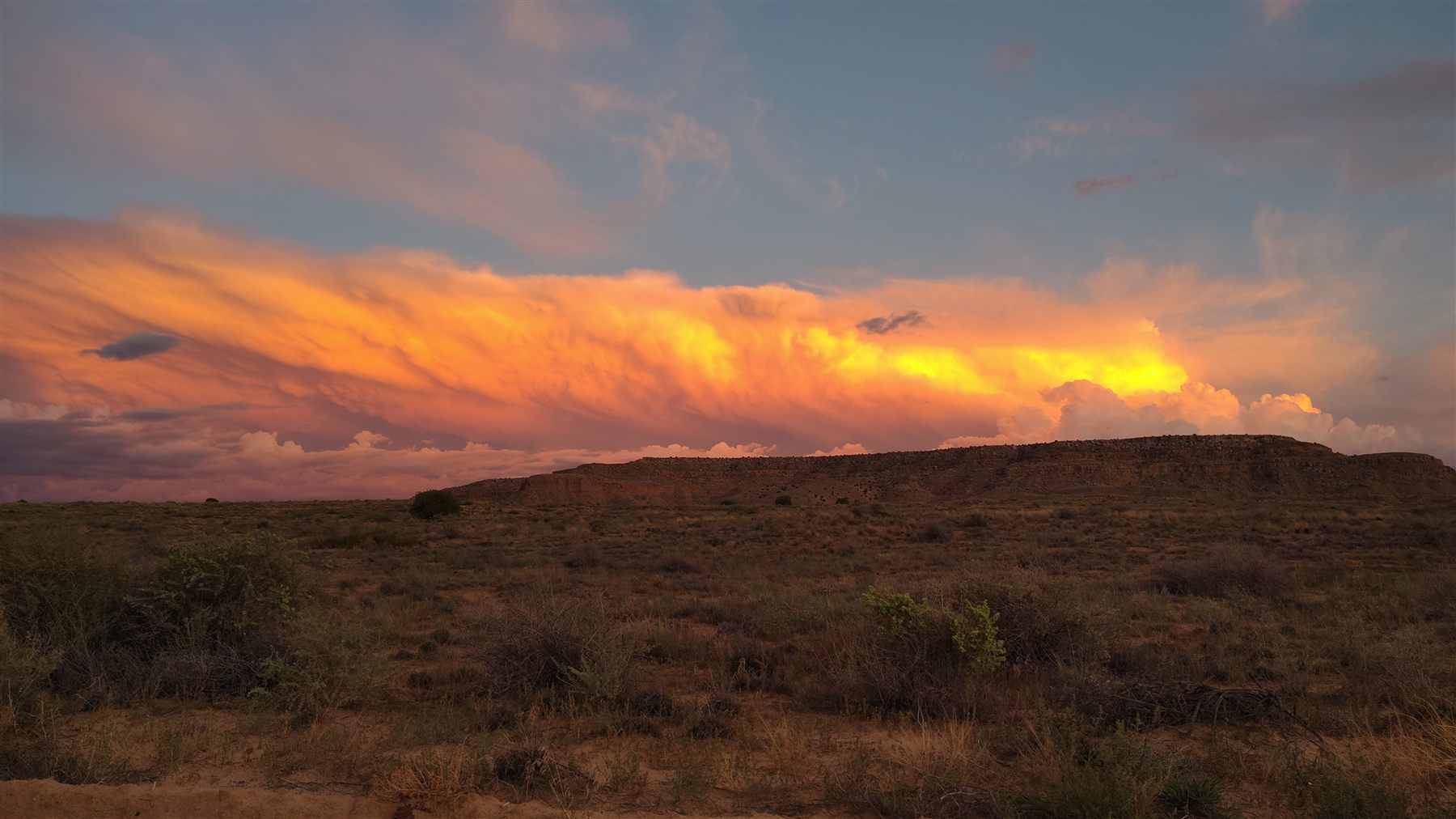
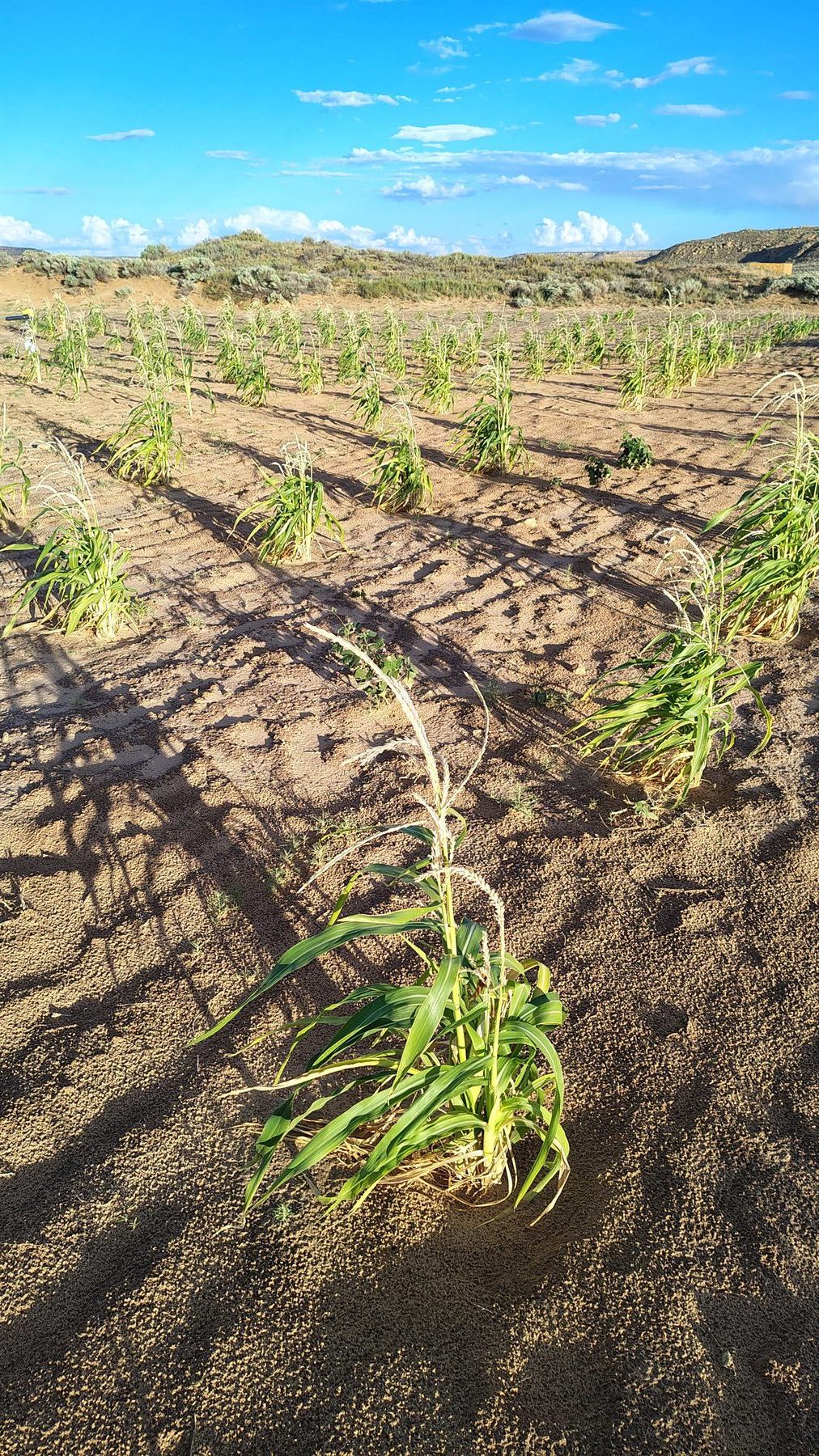
Robert Charley was raised on the Hopi and Navajo reservations of Northern Arizona, where his grandfather kept a cornfield and taught him to tend it. He still writes about that field — the waiting, the patience, the way growth happens slowly and on purpose — because it turned out to be the best picture he had for how faith matures.
Beginning in 1987, for fifteen years he read the Bible through, cover to cover, every year. It was a discipline, and it worked, but it left a nagging question: "What does the Bible say in its original language?"
Learning the language
So he did what most readers don't: he enrolled at the Center for Biblical Hebrew under the Israeli teacher Uri Harel and spent five years in the language. He likes to quote John Maxwell's "Growth Plan" —growing does not occur by happenstance; growth comes on purpose. Hebrew, he says, "solidified my faith and brought clarity to the New Testament." The Old Testament stopped being background and became the ground the New Testament stands on.
The class that asked for Revelation
He began teaching the Torah (Genesis through Deuteronomy) verse by verse to a church group. When they finished, they asked for Revelation next. Reading it "with my new Jewish perspective," he says, "it came alive; I understood the symbolism." The seven-branched menorah, the trumpets, the two goats, the water poured at the altar — these weren't puzzles anymore. They were the appointed feasts of Leviticus 23, in order, doing exactly what they had always done.
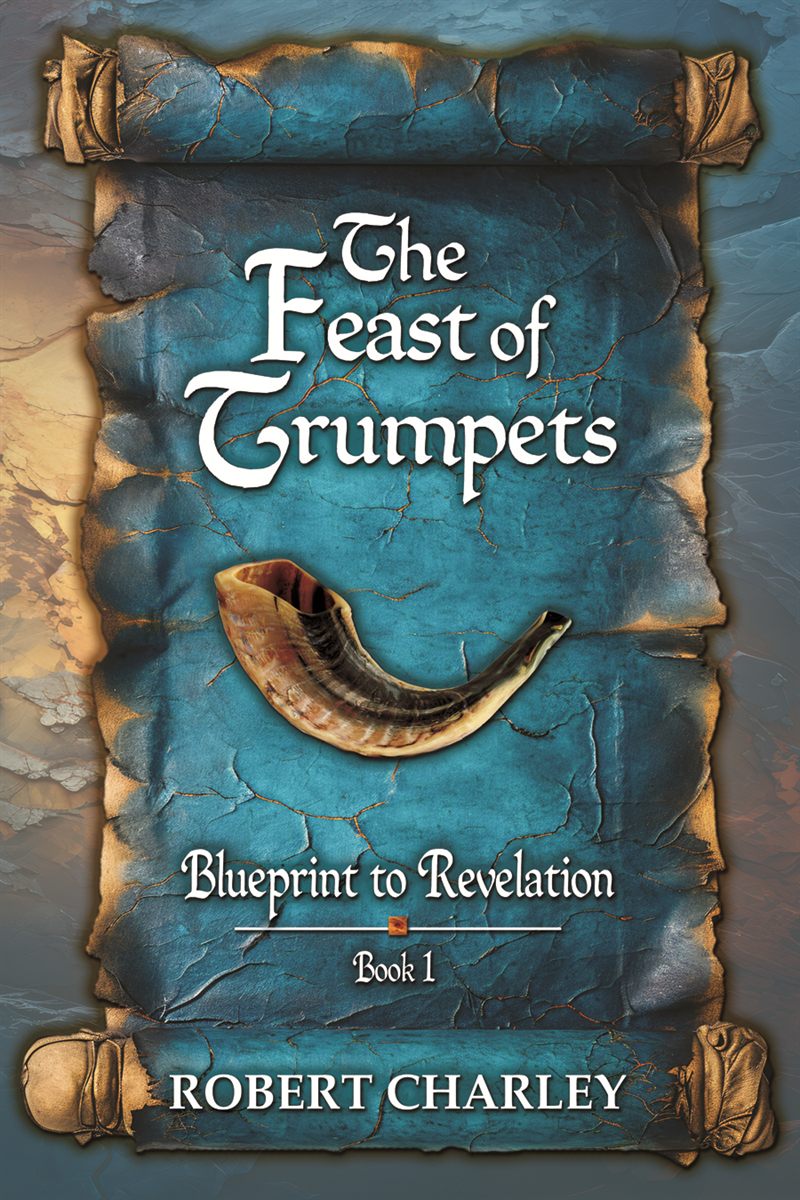
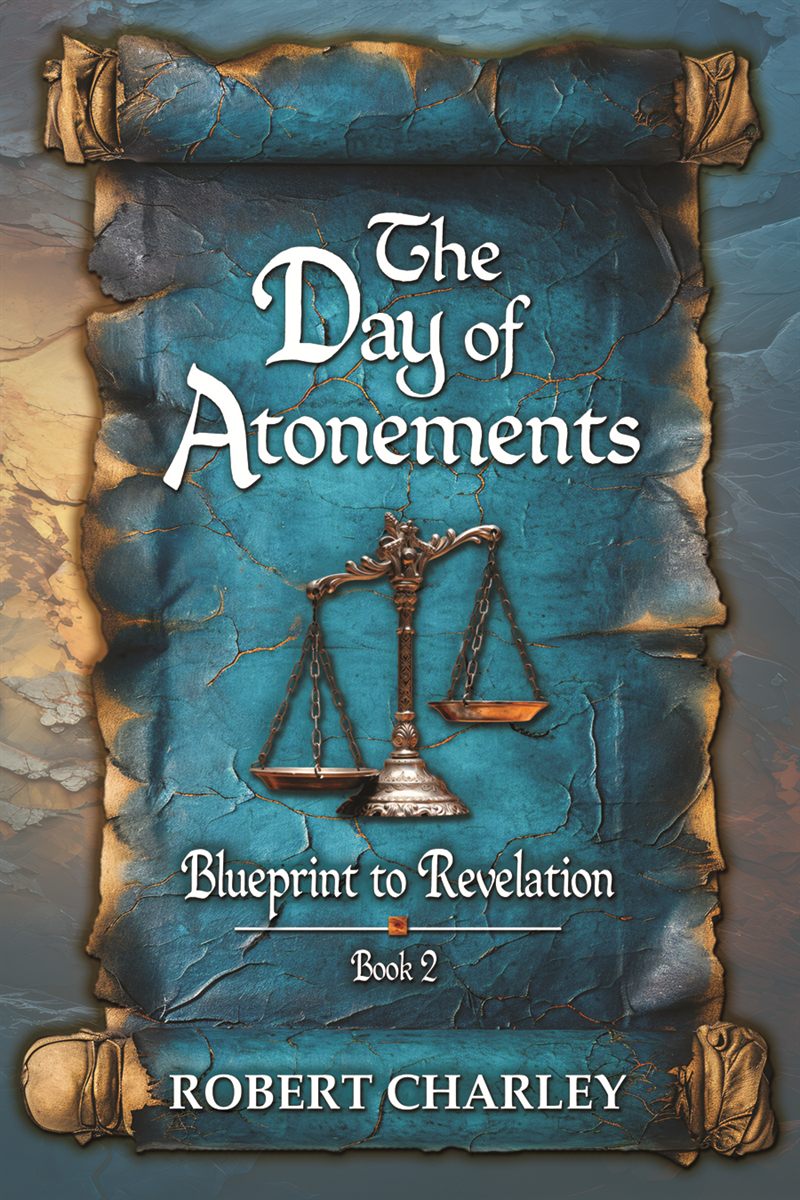
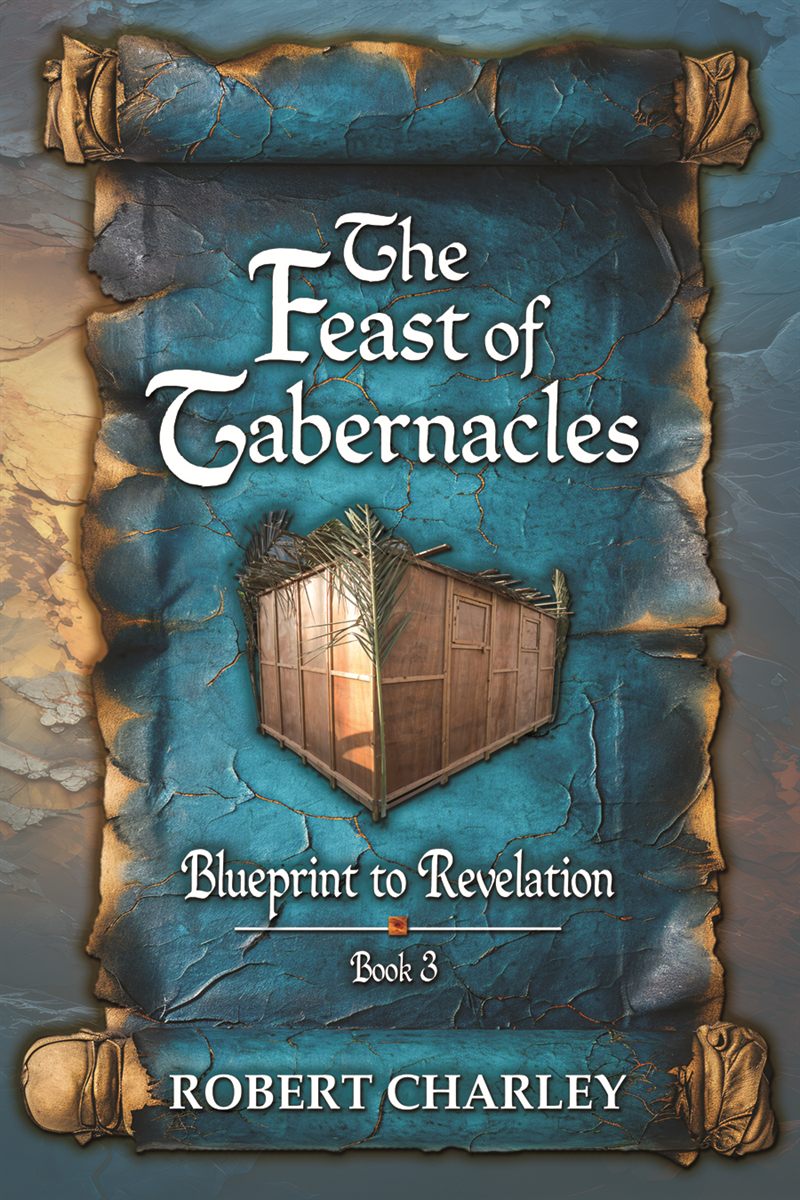
That reading became the Blueprint to Revelation trilogy: one book for each Fall Feast, following the chapters of Revelation it unlocks.
How he holds his conclusions
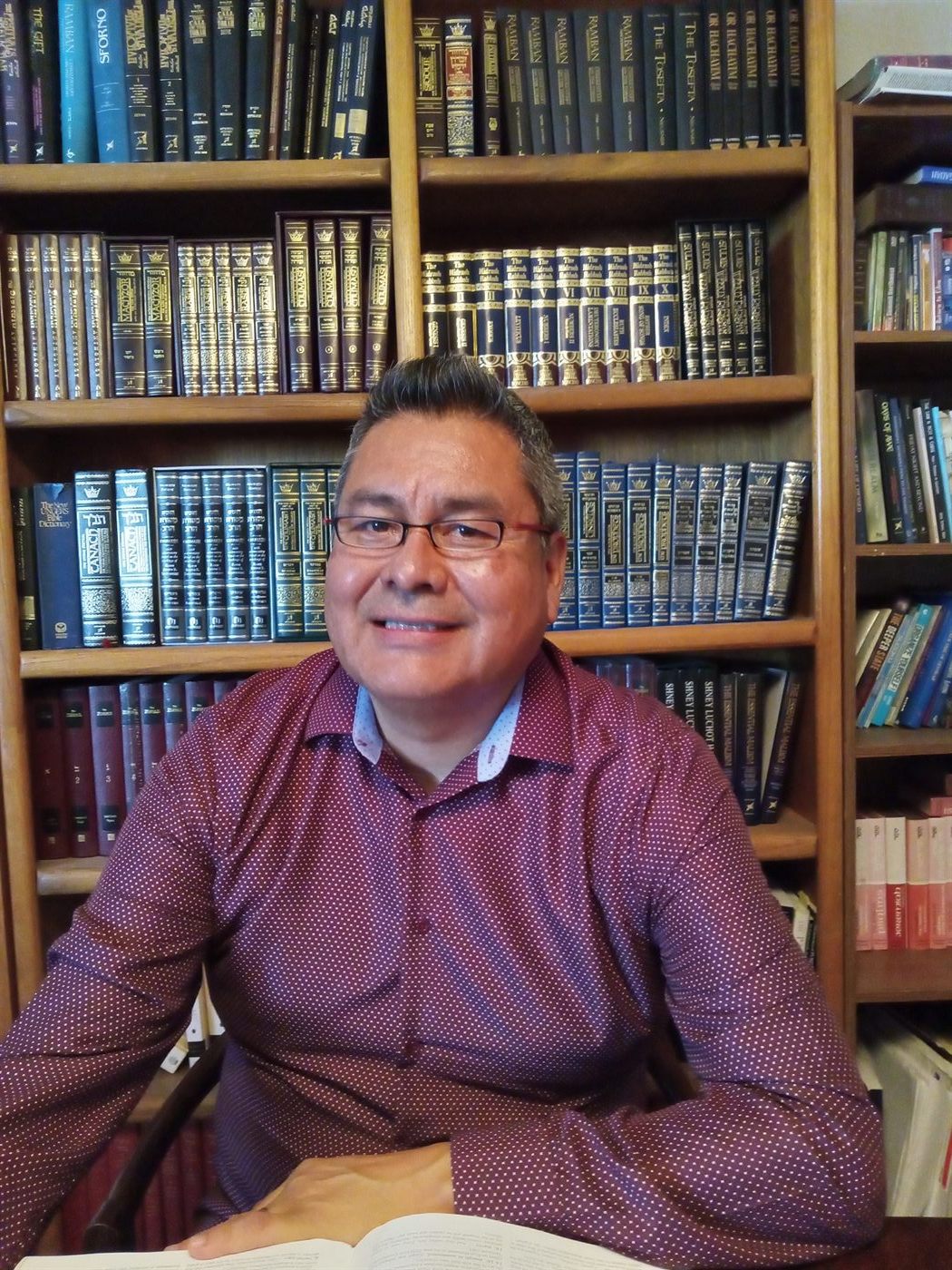
Robert works from the Hebrew text, and the Christian and Rabbinic commentaries on his shelves. Where the text allows more than one reading, he gives more than one. Reviewers have called it "intellectual rigor paired with scholarly humility" — and "the warmth of a friend walking you through a subject he loves." Readers say much the same in their own words: the depth of the research opens up parts of Revelation they had never understood, and where the middle of the book grows dense with detail, Robert's personal analogies bring the text into focus for today's world.
"God is real. Prophecy is real."